Ceramic Slow Feeder: Does the Weight Actually Stop It From Sliding?
A dog that gulps food fast enough to risk indigestion or bloat needs something that physically slows the pace down, not just a suggestion to eat slower.
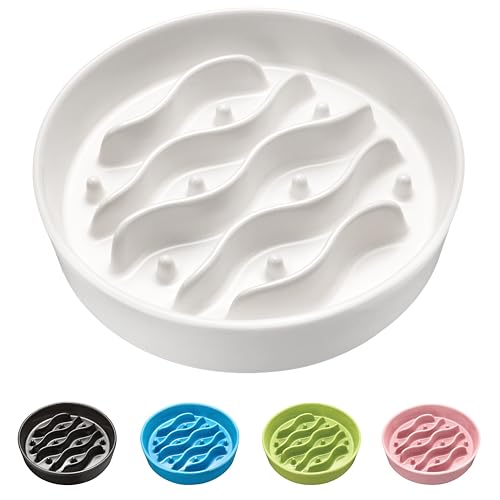
If your dog inhales their food, this is worth it — the maze design forces licking instead of gulping. The tradeoff is ceramic means real weight, which is the point, but also means it’s not the lightest bowl to move around.
What I Noticed
The brand sent this to me. It’s genuinely heavy ceramic, not lightweight plastic, which matters for a bowl that’s supposed to stay put while an enthusiastic eater works at it. My dog has used slow feeder bowls before, so this style of maze design isn’t new to our routine.
What Makes This Slow Feeder Different
- Heavy ceramic construction — resists sliding around during use
- Maze-style design — food is spread out, forcing licking instead of gulping
- Built for dogs prone to eating too fast
Slow Feeder Questions
Will this actually stop my dog from sliding it around?
The ceramic weight makes it much harder to push around than a plastic slow feeder, though a very determined dog can still move any bowl somewhat.
Why does slowing eating down matter?
Eating too fast is commonly linked to indigestion, extra gas, and other gastrointestinal issues — slowing the pace down is a straightforward way to reduce that risk.
What else helps around feeding time? If floor mess is also a problem, the silicone feeding mat I reviewed catches spills and crumbs.