Where Should You Put a Water Leak Detector?
Hidden leaks are the kind of home problem you usually find after they’ve already caused a mess — under the sink, behind the toilet, near the water heater. By the time you see water, it’s already been there a while.
If you want early warning in the highest-risk spots without any setup hassle, this is worth it. The tradeoff is that it’s a local alarm, not a connected one — it sounds where it’s placed, not on your phone.
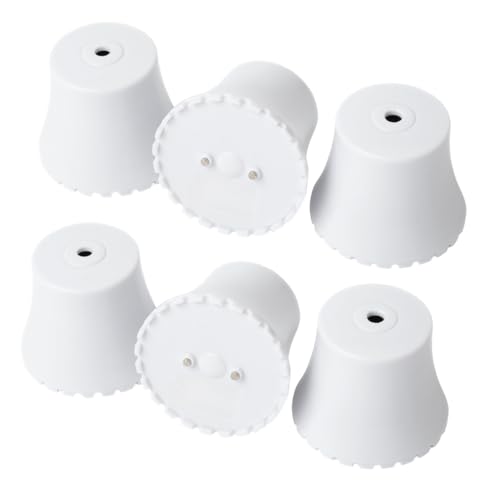
What I Noticed
During filming, I unboxed and placed one to check the setup process end to end. The part that stood out was there genuinely was no setup — no app, no Wi-Fi, no battery to install, just placing it. I can’t speak to how it performs after a year of sitting in a damp cabinet, but I can confirm it worked straight out of the package with zero configuration.
Where to Place a Water Leak Detector
- Under sinks — a common spot for slow supply-line drips
- Behind toilets — catches a failing seal early
- Near the water heater — one of the more expensive places for a leak to go unnoticed
- Behind or under the dishwasher — another common slow-leak location
Comes as a 6-pack, factory-sealed battery already installed, small enough to tuck into tight cabinet corners.
Leak Detection Questions
Do I need to replace the battery?
Each unit comes with a factory-sealed battery already installed, so there’s no separate battery step at setup.
Will I hear it from another room?
Since it’s a local alarm rather than a connected system, audibility depends on your home’s layout and where you place it.
What else helps around the house without much setup? The dish drying mat I tested solves a similarly small, everyday kitchen annoyance.